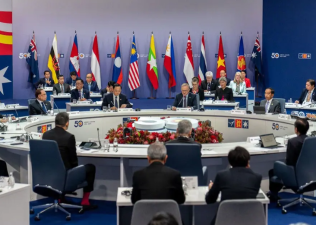
Geopolitical tensions, the need for supply chain resilience, and technological competition have collectively driven the reshaping of the trade landscape. In recent years, global trade networks have undergone profound restructuring, with geopolitical factors becoming a core driving force behind this change. According to a 2025 update report by the McKinsey Global Institute, trade relations among major economies continue to adjust, and the "geometric structure" of trade flows exhibits significant regionalization and diversification. Geopolitics profoundly influences global trade flows by reshaping political relations, security considerations, and economic alliances between nations. In recent years, geopolitical conflicts, the impact of the pandemic, and policies prioritizing economic security have prompted countries to reassess their trading partners, leading to a reorganization of trade networks along geopolitical lines.
Global Economic and Geopolitical Impacts
As geopolitical uncertainty gradually increases, these impacts will quickly manifest through several key and controllable economic channels. The obstruction or alteration of these channels becomes a key observation point for assessing the resilience of regional economies. Simultaneously, against the backdrop of global economic integration and the flow of goods, while trade and logistics networks in various regions are becoming increasingly dense, they also face considerable efficiency challenges.
- Transmission Mechanisms and Economic Channels
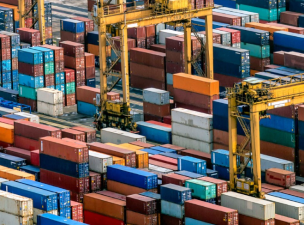
As a key link in regional trade activities, land border crossings play an indispensable role in promoting local trade. World Bank research has repeatedly confirmed a strong positive correlation between a region's trade logistics efficiency and its political stability. However, with rising geopolitical uncertainty, global supply chains are facing unprecedented challenges. Raw materials or finished products often encounter customs clearance difficulties during transportation, leading to longer transit times and increased logistics insurance and compliance costs. This will undoubtedly have a profound impact on industries reliant on Just-In-Time (JIT) production and low-margin, high-volume models, such as agricultural production and electronics assembly.
Emerging Economies: Flexible Layout
India:
Energy imports have shifted significantly to Russia (its share increased from 1% to 30%), while exports of electronic products to the European and American markets have expanded. Although imports from China (such as chips and chemicals) continue to grow, the export share has declined, creating a pattern of "upstream dependence on China, downstream connection to Europe and the United States."
Brazil:
Brazil has formed a complementary "resources-for-manufactured-products" model with China, with both soybean and mineral exports and electric vehicle imports growing. However, extreme weather events may cause fluctuations in agricultural trade in 2024.
ASEAN:
ASEAN plays a "central hub" between the US and China, importing intermediate goods from China and exporting manufactured goods to the US, with the electronics supply chain being particularly prominent.
Future Outlook
In the short term, geopolitics will continue to dominate trade flows, but multiple factors may alter the landscape:
Technological Competition:
Localization policies in key areas such as semiconductors and new energy may accelerate the formation of regional supply chains.
Climate and Resources:
Extreme weather (such as its impact on Brazilian agriculture) may drive further diversification of resource trade.
Emerging Market Role:
Economies such as India and ASEAN may become new fulcrums of global trade through "multi-directional alliances."
For businesses and policymakers, it is necessary to dynamically assess the "political distance" and supply chain risks of trade networks while seizing market opportunities brought about by regionalization. The "geometric structure" of global trade is being reshaped, and flexibility and adaptability will become key to competition.
Conclusion
Global trade in 2024 will be increasingly influenced by national governments' geopolitical and national security considerations, potentially leading to more bilateral or mini-multilateral trade and supply chain systems built upon these foundations. Countries will continue to utilize industrial and overseas investment policies to advance their respective geopolitical priorities.
Differences in trade regulations and standards across different regions of the world will exacerbate operational and regulatory risks for multinational corporations (MNCs), placing higher demands on their risk management functions. Given the current challenges facing the WTO dispute settlement mechanism, countries and businesses are likely to continue relying on bilateral and multilateral regional trade agreements to resolve conflicts.
Supply chains from origin to destination will involve more countries and become more complex, increasing the risks faced by MNCs in complying with sanctions and export controls, particularly as Western countries expand the scope of sanctions and intensify enforcement against circumvention.
Finally, while extended supply chains may increase transportation costs, diversification can also enhance supply chain resilience and mitigate disruption risks. More companies are likely to focus on supply chain redundancy while facing increasing requirements to comply with regional regulations and standards.