In the shipping industry, which handles over 80% of global trade, data has evolved from a "supplementary reference" to a "core asset." Global maritime trade volume is projected to exceed 12.8 billion tons by 2025. The Asia-Europe route saw 65% of vessels detouring around the Cape of Good Hope due to the Red Sea crisis, while freight rates on the Southeast Asia-Eastern US route soared due to industrial relocation. Behind these market fluctuations, foreign trade shipping data is becoming a "digital compass" for businesses navigating uncertainty. From cost control for cargo owners to capacity allocation for shipping companies, from port efficiency optimization to government policy-making, the in-depth application of shipping data has become a core indicator for measuring the competitiveness of market participants.
Global Trade Continues to Expand
With the deepening of economic globalization, economic ties between countries are becoming increasingly close, and trade is becoming more frequent. Whether it's the procurement of raw materials or the sale of finished products, both rely heavily on cargo shipping. The rise of emerging economies, such as the rapid economic development of some Asian and African countries, has greatly stimulated import and export demand, driving the prosperity of the cargo shipping market.
Cargo Type Breakdown in Global Shipping Data
Dry Bulk Cargo:
Coal, iron ore, and grains are among the dry bulk cargoes that play a vital role in global trade. Coal, as a crucial energy resource, has its transportation demand closely linked to the global energy structure and industrial development. With the accelerated industrialization of emerging economies, the demand for coal continues to grow, driving the development of the dry bulk shipping market. Iron ore is a key raw material for steel production, and the rise and fall of the global steel industry directly affects iron ore transportation volumes. In recent years, despite environmental pressures and market volatility in the steel industry, the inelastic demand for iron ore remains. Grain transportation is closely linked to global food production and consumption patterns; bumper harvests or changes in major grain-producing regions can trigger fluctuations in grain transportation demand.
Oil and Natural Gas:
Oil and natural gas, as major global energy resources, have a massive transportation market with high strategic importance. Fossil fuels still dominate the global energy consumption structure, making oil tankers and natural gas carriers play a crucial role in the cargo shipping market. As the world's largest oil-producing region, the Middle East's oil export fluctuations have a profound impact on the global tanker shipping market. Furthermore, with the rapid development of the liquefied natural gas (LNG) market, the demand for LNG carriers is also experiencing rapid growth.
Containerized Cargo:
Container shipping, with its efficiency, convenience, and safety, has become one of the mainstream modes of modern cargo shipping. It is suitable for transporting various industrial manufactured goods, electronic products, and consumer goods. With the global shift in manufacturing and the booming development of e-commerce, the demand for containerized cargo transportation continues to rise. Especially during the pandemic, the rise of working from home and online shopping further stimulated the demand for containerized cargo such as electronic products and daily necessities. Many e-commerce giants are working closely with shipping companies to continuously optimize the supply chain, ensuring that goods are delivered to consumers in a timely and accurate manner.
General Cargo:
This includes various single-item, small-batch goods, such as machinery, building materials, and furniture. Although general cargo transportation has a relatively small market share, it plays an important role in meeting specific customer needs and filling market gaps. Some personalized and customized products are often delivered to customers through general cargo transportation. With the diversification of global manufacturing and the growth of personalized consumer demands, the general cargo transportation market is poised for new development opportunities.
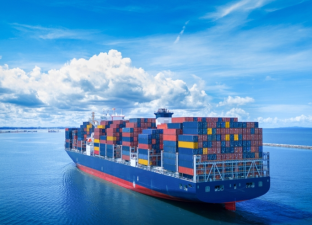
Global Shipping Data: Industry Segmentation
Electrical and Electronic Industry:
With rapid technological advancements, the electrical and electronics industry is experiencing accelerated product updates and expanding production scale. From smartphones and computers to various electronic components, the production of these products requires substantial imports of raw materials and exports of finished goods, placing extremely high demands on the timeliness and safety of cargo shipping. Shipping companies, by optimizing transportation solutions and providing customized services, have met the stringent requirements of the electrical and electronics industry for cargo transportation, promoting the coordinated development of this industry and the cargo shipping market.
Food and Manufacturing Industry:
The food industry has specific requirements for transportation conditions, such as refrigeration and preservation. From the cross-border transportation of agricultural products to the global distribution of processed foods, cold chain logistics plays a crucial role in food transportation. Cargo shipping companies ensure the quality and safety of food during transportation by equipping themselves with advanced refrigeration equipment and comprehensive temperature control systems. The manufacturing sector involves the procurement of raw materials and the sale of finished products, encompassing a wide range of goods, from heavy machinery to precision components. Shipping provides robust logistical support for the globalization of production and sales in the manufacturing industry.
Oil and Minerals Industry:
As mentioned earlier, oil and minerals are the main sources of cargo for dry bulk and oil transportation. The development of the oil and minerals industry directly determines the size and trend of the related shipping market. Global energy transition and mineral resource development and utilization policies will have a significant impact on the industry's cargo transportation demand. For example, with the rapid development of new energy vehicles, the demand for rare metal ores such as lithium and cobalt has increased dramatically, driving the prosperity of the related mineral transportation market.
Future Challenges Amidst Change
Although the global shipping market has broad prospects, it also faces many challenges and opportunities.
Increasing Environmental Pressure:
With increasing global attention to climate change, organizations such as the International Maritime Organization (IMO) have introduced a series of stringent environmental regulations, imposing higher requirements on ship carbon emissions and pollutant emissions. This forces shipping companies to increase investment in environmental protection technologies and equipment, such as adopting new energy vessels and installing exhaust gas purification devices, thereby increasing operating costs. For some small and medium-sized shipping companies, this may pose significant survival pressure.
Rising Trade Protectionism:
In recent years, trade protectionist sentiments have surged in some countries, trade frictions have intensified, and actions such as imposing tariffs and setting up trade barriers have occurred frequently. This not only affects the normal order of global trade but also has a negative impact on the cargo shipping market. The reduction in trade volume directly leads to a decrease in demand for cargo transportation, posing challenges to the revenue of shipping companies.
Fluctuations in Transportation and Inventory Costs:
Fluctuations in fuel prices, adjustments to port fees, and supply chain disruptions can all lead to instability in cargo transportation and inventory costs. Shipping companies need to constantly address the risks brought about by these cost fluctuations and rationally formulate freight rates and operating strategies to maintain profitability.
Conclusion:
Global maritime trade will continue to grow in scale, and the rise of emerging markets and economic integration will further drive the increase in maritime trade volume. Ships will develop towards larger, more intelligent, and more environmentally friendly designs, and ports will place greater emphasis on digitalization, intelligentization, and green development. Despite numerous challenges such as geopolitics, environmental protection, and security, international cooperation is expected to be strengthened, jointly promoting the deep integration of maritime trade with the international market.