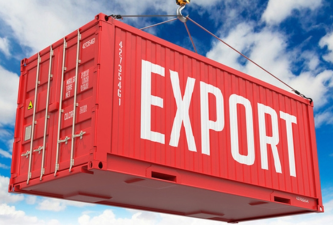
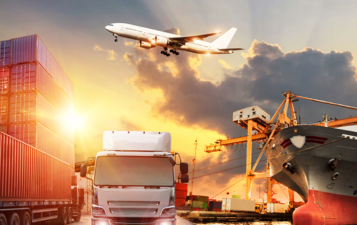
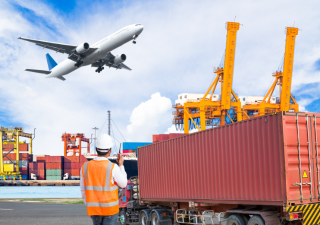
Against the backdrop of a global economic recovery intertwined with geopolitical competition, the foreign trade sector is undergoing profound changes. Traditional trade models are rapidly iterating, with digitalization, greening, and regionalization becoming core driving forces. The global export trade landscape is projected to shift dramatically by 2025, with emerging markets in Southeast Asia and Latin America leading the growth, and demand for smart home appliances and cosmetics surging. The RCEP agreement lowers trade barriers, but caution is needed regarding exchange rate fluctuations and cultural differences; deep localization is key to breaking through existing barriers. Global trade is undergoing structural changes, with emerging markets becoming the core engine of export growth. This trend has evolved from short-term fluctuations to a long-term reshaping of the landscape. The Global South (mainly referring to developing countries and emerging economies) is becoming a key force driving trade growth, contributing over 80% to global trade, and its share of trade volume continues to increase.
Driven Factors of Economic Growth
Demographic Dividend:
Many emerging markets have young and growing populations with increased purchasing power, providing enormous market potential for foreign trade.
Technological Advancement:
Technological development, especially the widespread adoption of the internet and mobile technologies, enables companies in these countries to participate more effectively in global supply chains.
Government Policies:
Some emerging market countries have adopted more open trade policies and investment environments to attract foreign investment and technology transfer.
Export Market Opportunities and Risks
The increasing emphasis on regional trade agreements and supply chain restructuring creates opportunities for establishing new trade relations and enhancing economic resilience.
Climate change and the shift towards sustainable technologies present both challenges and opportunities, as businesses and countries need to adapt to new consumer preferences and regulatory environments.
The digital transformation of trade through the application of artificial intelligence and blockchain technologies offers significant potential for simplifying trade finance and ensuring its security, but it also brings challenges related to technology application and integration in diverse regulatory environments.
Future Trends in Foreign Trade
Regional Economic Cooperation:
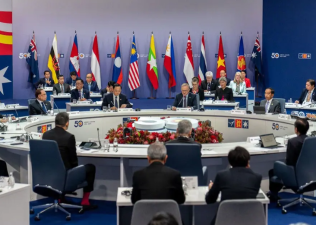
Emerging markets will drive more regional economic cooperation, such as the Regional Comprehensive Economic Partnership (RCEP) and the United States-Mexico-Canada Agreement (USMCA), which will reduce trade barriers and improve market access.
Sustainable Development and Green Trade:
With increasing global focus on environmental protection and sustainable development, emerging markets are also shifting towards a green economy, with foreign trade increasingly involving renewable energy, environmentally friendly technologies, and sustainable products.
The Rise of Digital Trade:
The accelerated development of e-commerce and digital transformation in emerging markets will drive the growth of cross-border e-commerce and digital trade, changing traditional trade models.
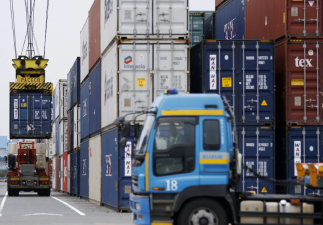
Drivers of Foreign Trade Transformation
Various geopolitical events, such as upcoming elections in major economies, may lead to a rise in economic nationalism and trade protectionism, thereby affecting global trade policies and economic relations.
The global pursuit of net-zero carbon emissions is changing the trade landscape. Trade in environmental products and technologies, as well as clean and renewable energy supporting the energy transition, is accelerating. While this area presents numerous opportunities, risks also exist. The EU's carbon border adjustment mechanism is one measure to incorporate environmental goals into trade policy, but this could lead to new tariff barriers and trade protectionism.
Technological innovation, particularly artificial intelligence, is significantly changing the operational modes of trade activities. While improving efficiency and inclusiveness, it also requires careful consideration of issues such as regulation and data harmonization.
Conclusion
The forces of global trade are influenced by technological progress and the ever-changing geopolitical landscape, becoming highly complex and multi-dimensional. Companies that respond to these changes by investing in new technologies and diversifying their operations will be better positioned in the rapidly evolving global market environment. The next decade will be particularly critical, as these transformative forces will intensify, impacting all aspects of global trade, from production to consumption.