Traditionally, trade has primarily occurred between developed and developing countries, but direct trade between emerging economies is now growing rapidly, and regional economic blocs are becoming increasingly important. "Digital trade," including e-commerce, cloud services, digital payments, and cross-border data transfer, is rapidly becoming a new pillar of global trade. Especially since the COVID-19 pandemic, electronic transaction models have dominated both B2C and B2B transactions and are closely linked to logistics and finance. On the other hand, due to increasing awareness of data sovereignty among countries, differences in privacy protection laws, and relatively lagging international rule-making, global trade is showing new development trends amidst the current setbacks in globalization. Regionalization and bilateralization are gradually emerging, becoming new drivers of trade development. This trend not only provides countries with more trade options but also injects new vitality into the stable growth of global trade.
The Development and Transformation of Globalization
Globalization is no longer limited to a few countries but increasingly involves the operations of companies and organizations worldwide. However, globalization is not stagnant but constantly evolving. Today, people are more inclined to trade with neighboring regions or individual countries. With close cooperation and coordinated development in regions such as North America, Europe, and Asia, the global trade landscape is exhibiting new characteristics. Despite concerns about the potential collapse of globalization, these regions are committed to strengthening trade ties to boost their respective economies. The world is constantly changing, an irreversible trend. Looking ahead, a greater focus on trade with neighboring countries is a healthy and natural development.
Global Trade Competition Landscape
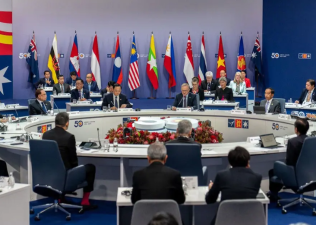
In the global trade competition landscape, competition and cooperation among major powers will profoundly influence future trade flows. Relations between the United States, the European Union, China, and emerging market countries are reshaping the global trade landscape. Adjustments in US trade policy, particularly the potential tariffs implemented by the Trump administration, will significantly impact global trade flows.
India is another rising trading power among the Global South nations. Its total trade volume is projected to grow at a CAGR of 6.4% to reach $1.8 trillion by 2033. India's trade growth will primarily focus on cooperation with countries and regions such as the United States, the European Union, ASEAN, and Africa. Strong government support for manufacturing, coupled with its large, low-cost labor force and continuously improving infrastructure, makes India a key option for global supply chain diversification.

Feasibility of Regionalization Strategies
Regionalization of supply chain strategies advocates concentrating on production and supply chain management within a specific region to shorten transportation distances, reduce logistics costs, and mitigate the risk of supply chain disruptions.
Risk Reduction:
Regionalized supply chains can reduce dependence on a single country or region, mitigating the risk of supply chain disruptions caused by geopolitical factors or natural disasters. For example, Asian companies can establish production bases in Southeast Asia and South Asia to diversify risk. During the COVID-19 pandemic, some multinational corporations successfully reduced the risk of supply chain disruptions by establishing multiple production bases in different countries and regions.
Increased Efficiency:
Regionalization helps improve supply chain efficiency. Due to geographical proximity, transportation time and costs are significantly reduced, enabling companies to respond more quickly to changes in market demand and improve supply chain flexibility. For example, European companies can choose to establish production bases in Eastern Europe to supply the Western European market more quickly while reducing transportation costs.
Promotion of Regional Cooperation:
Regionalization strategies help strengthen cooperation between countries and companies within the region. Regional economic integration processes (such as the RCEP) will further promote trade facilitation and investment liberalization within the region, driving the development of regional supply chains. Through regional economic cooperation, businesses can enjoy more preferential trade policies and lower tariffs, thereby enhancing their competitiveness.
Conclusion
For all these reasons, the regionalization of the world economy—in the sense of stronger regional balance—is welcome, not regrettable. Regional hubs more broadly balance economic growth, making it more stable. Considerations regarding climate change may also drive further regional integration.
Promoting regional integration offers many countries the opportunity to tap into the potential of underdeveloped economies and institutions. Over time, establishing these regional hubs or sub-centers will provide a stronger foundation for a more multipolar form of global economic integration.