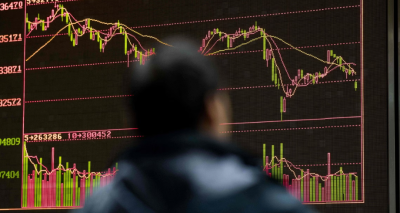
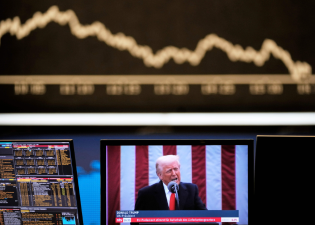
Recent global financial market sentiment indicators have shown significant divergence. Analysis of the fear and greed data of nine core indices reveals that the A-share market is generally in a state of extreme greed, with the Shanghai Composite Index, CSI 300, ChiNext Index, and STAR Market Composite Index all exceeding 90, indicating highly optimistic investor sentiment. The Hong Kong stock market is relatively moderate, with the Hang Seng Tech Index and Hang Seng Index in neutral and near-neutral states, respectively. The US stock market shows a clear divergence, with the S&P 500 in the fear zone, the Dow Jones Industrial Average showing greed characteristics, and the Nasdaq 100 exhibiting extreme fear. This divergence suggests that global markets may be facing a significant style shift, and investors need to be wary of the volatility risks brought about by extreme sentiment.
Market Sentiment Indicator
In the history of financial markets, numbers often tell the most compelling stories. Today, we will discuss a number—10, which is not only a simple counting unit but also an extreme expression of market sentiment. The latest data shows that the Fear and Greed Index has fallen to 10, the lowest level since June 2022. The decline in this indicator not only reflects extreme panic in market sentiment but also suggests that the market may be nearing a temporary bottom. This extreme market sentiment is often accompanied by major market events, such as economic crises, policy changes, or technological breakthroughs, all of which can be key factors influencing investor sentiment.
Core Characteristics of Market Sentiment
Collective Nature:
Reflects collective investor expectations, not individual judgments.
Transmissibility:
Spreads rapidly through media, social platforms, and professional institutions.
Cyclical Nature:
Includes a complete cycle from optimism to excessive pessimism.
Factors Influencing Market Sentiment
- Economic Fundamentals: Changes in economic data, macroeconomic data, etc.
- Policy Environment: Macroeconomic data, policy changes, market rumors, and investor psychology, etc.
- Market Behavior: Technical indicators such as market volume, volatility, and fund flows.
- Unexpected Events: Force majeure events such as geopolitical conflicts and major natural disasters.
Tools for Monitoring Market Sentiment
Quantitative Indicators
VIX (Volatility Index): Measures implied volatility in the options market and can be used to measure market sentiment.
Market Sentiment Index (MSI): A composite index built from multiple data points.
Public Opinion Analysis
News Sentiment Analysis: Market sentiment can be measured through indicators such as market volatility, trading volume, and news reports.
Social Data Mining: Tracking trending topics in investor forums can be used to measure market sentiment.
Investment Wisdom
Market sentiment fluctuates like the tides. When extremely greedy, one must remain clear-headed; when extremely fearful, one should see hope. True investment wisdom lies not in chasing market sentiment trends, but in maintaining independent thinking and rational judgment. In moments of extreme emotional intensity, it is often necessary to think contrarian, but more importantly, it is crucial to manage risk and allocate assets effectively, maintaining a stable investment pace.