Market signals refer to indirect information conveyed by competitors through specific actions. These signals may reflect genuine strategic intentions, or they may contain bluffing or warnings, encompassing various forms such as action trends and internal feedback. This concept was introduced into economic analysis by Michael Spence in 1973. These signals have a dual function: they can convey a competitor's true motives and serve as a means of strategic deception. Typical applications include viewing postgraduate entrance exams as a competitive signal in the job market, and subsequent scholars' expansion into areas such as supply chain finance signals and venture capital decisions. Market signals and market information are crucial concepts in economics; they reveal the essence of the market and help people better understand and solve economic problems.
In the field of fund investment, understanding market signals is essential, helping investors grasp market dynamics and make more rational investment decisions. Market signals refer to various indications in financial markets that reflect market trends, investor sentiment, and macroeconomic conditions. These signals can come from multiple sources, including macroeconomic data, policy changes, company financial statements, and market transaction data.
Market Signals
Market signals refer to the information used by various economic entities in a market economy to express their intentions and demands through prices, quantities, and quality. In a market economy, price is a signal reflecting the value of a commodity through supply and demand; therefore, changes in price are changes in market signals. For example, when the demand for a certain commodity increases, and the supply cannot keep up, the market supply-demand imbalance intensifies, and the price rises. This is a market signal of increased demand.
Market signals have great practical value. They provide a clear feedback mechanism for producers and consumers, enabling efficient resource allocation. Another important role is to promote innovation. Through market signal feedback, producers understand consumer demand and their reactions to products, continuously improving product quality and cost-effectiveness to adapt to market demands.
Market signals can be categorized into different types and sources, including but not limited to:
- Price Signals:
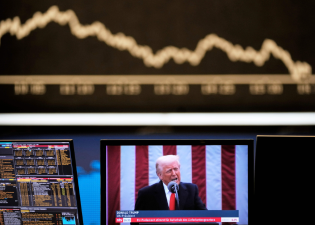
Changes in market prices, such as the rise or fall of stock or commodity prices, reflect supply and demand, investor sentiment, and expectations.
- Technical Analysis Signals:
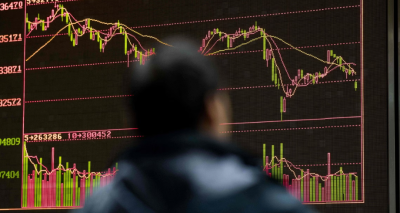
Based on historical price and volume data, such as chart patterns and moving average crossovers, these provide traders with indications of buying and selling opportunities.
- Fundamental Signals:
Company financial reports, economic data releases, policy changes, etc., information that affects the intrinsic value of assets.
- Industry Signals:
Development dynamics within a specific industry, such as new product launches and changes in industry standards, indicating industry trends.
- Competitor Behavior:
Competitors' pricing strategies, market share changes, advertising campaigns, etc., can reveal market competitiveness and potential opportunities.
- Policy and Regulatory Signals:
Government policies and regulatory changes, such as interest rate adjustments and industry standards, have a profound impact on the market.
- Social and Environmental Signals:
Changes in consumer preferences and sustainable development trends influence corporate strategic direction and product development.
- Market Sentiment Signals:
The collective sentiment of market participants, such as panic selling or optimistic buying, although difficult to quantify, has a significant impact on market volatility.

In short
Understanding market signals is key to investors' survival and profitability in the financial markets. However, it is important to note that market signals are not absolutely accurate and can sometimes be interfered with and misled by various factors. Therefore, when relying on market signals to make decisions, investors also need to combine their own risk tolerance, investment objectives, and in-depth market research to make informed investment choices.