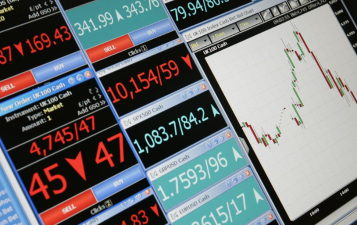
In financial markets, signals act like complex codes, containing a wealth of information and profoundly impacting market expectations. These signals can originate from multiple sources, including macroeconomic data, monetary policy, industry dynamics, and international political and economic situations. Investors need solid financial knowledge, keen insight, and extensive experience to accurately interpret and rationally utilize these signals, grasp market trends, and optimize their investment portfolios. Understanding these signals is no easy task; it requires solid financial knowledge, keen insight, and extensive experience. Furthermore, it's crucial to avoid blindly following trends, comprehensively analyze and judge various signals, and formulate reasonable investment strategies.
Market Volatility and Sentiment Indicators
Market risk signals are a primary focus. For example, a sustained VIX volatility index (fear index) exceeding 30, or a sharp and continuous decline in major stock indices, typically reflects market tension or pessimistic economic expectations, potentially foreshadowing a correction or trend reversal. Simultaneously, an inverted yield curve (short-term interest rates higher than long-term rates) is often seen as a warning sign of economic recession. With increased volatility in global financial markets expected in 2025, abnormal changes in these indicators warrant close attention.
Credit Risk and Corporate Fundamentals
Credit risk signals involve rising debt default rates, credit rating downgrades, or excessively high debt ratios and deteriorating cash flow in financial statements. For instance, while some bond issuers experienced a sharp deterioration in cash flow in 2025 without immediate rating downgrades, early identification could mitigate losses. Investors should regularly analyze the financial statements of target companies, focusing on their debt repayment ability and operational stability.
Liquidity Conditions and Trading Behavior
Liquidity risk signals manifest as a decline in average daily trading volume, widening bid-ask spreads, or difficulty in liquidating assets. This can occur in specific stocks, bonds, or emerging markets. When market interest plummets, investors may need to trade at a larger discount. Dynamic assessment based on trading volume and spread data is necessary.
Macroeconomic Policies and Data
Macroeconomic signals such as monetary policy (e.g., central bank interest rate adjustments), GDP growth rates, and inflation data (e.g., CPI) have a broad impact on the market. For example, rising interest rates increase corporate financing costs, suppressing the stock market but benefiting bonds. A shift in global central bank policy in 2025 may exacerbate market volatility; close monitoring of policy developments and economic data releases is crucial.

Technical Systems and Operational Risks
Operational risk signals include frequent trading platform outages, internal fraud, or mismanagement, especially in emerging fields like cryptocurrencies. In 2025, some investors avoided potential losses by transferring funds in advance due to repeated outages of smaller platforms. This highlights the need to choose institutions with sound regulations and stable technology.
How can we identify these warning signs before a crisis occurs?
Abnormal fluctuations in financial markets are also a significant warning signal
Sharp fluctuations or declines in the stock market often foreshadow market instability. Investors should be alert when the market exhibits a sustained negative trend. Abnormal performance in the bond market, such as an inverted yield curve (short-term bond yields higher than long-term bond yields), can also be a harbinger of a financial crisis. Historically, an inverted yield curve has often been considered a precursor to economic recession.
The health of the banking system is also an important consideration
If there are anomalies in bank balance sheets, such as a large number of non-performing loans or a liquidity crisis, this may indicate that the financial system is under stress. Bank failures or bailouts usually lead to financial market turmoil, thereby affecting the stability of the entire economy.
Changes in the global economic environment are also an important factor affecting financial stability
Trade frictions between major global economies and geopolitical tensions can trigger panic in financial markets. Investors and businesses should pay attention to these international developments to assess their potential impact on their domestic economies.
Conclusion
Identifying warning signals of a financial crisis requires comprehensive consideration of macroeconomic indicators, financial market performance, the health of the banking system, the global economic environment, and specific risk factors. Only through a comprehensive and meticulous analysis of these signals can we prepare for crises before they occur, mitigate risks, and protect our investments and financial security. Investors and businesses should remain vigilant and adjust their strategies promptly to address potential financial challenges.