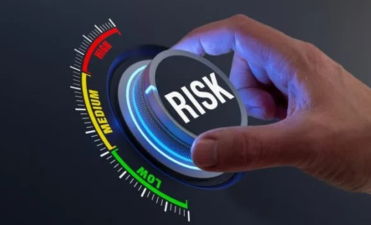
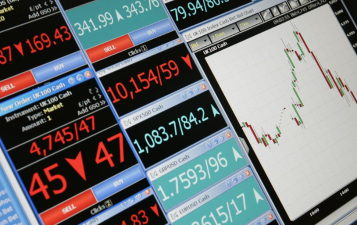
Detecting financial risks before they spread is crucial to preventing systemic crises. This requires building a proactive and dynamic monitoring and early warning system, combining data-driven analysis with a forward-looking regulatory framework. Establishing a comprehensive financial risk early warning system is fundamental to early identification. This system needs to integrate multi-dimensional data, including interest rates, exchange rates, stock prices, credit scale, and corporate financial indicators, and analyze abnormal patterns through statistical models or machine learning algorithms. For example, macro-prudential indicators such as the debt-to-GDP ratio or bank leverage ratio can be used to assess overall vulnerability; micro-prudential monitoring focuses on the liquidity risk or credit concentration of individual institutions.
Before risks emerge, by building a risk identification system for commodity supply chains, utilizing data models and inter-departmental collaboration mechanisms, risks can be identified, warned of, and controlled in advance, preventing systemic crises caused by unseen risks.
Why are commodity supply chains "inherently high-risk"?
The "high risk" of commodity supply chains stems from their systemic characteristics:
Chain structure vulnerability:
With numerous links and complex participants, a break in one link (such as logistical delays) can trigger a domino effect. For example, rerouting the Red Sea shipping route caused transport delays, customer claims triggered credit risks, and the freezing of warehouse receipts led to financial risks, ultimately resulting in a broken capital chain.
Capital-intensive nature:
Commodity trading involves large sums of money, and market risks such as price fluctuations, exchange rate changes, and demand fluctuations directly amplify losses.
Uncontrollable external factors:
External events such as policy changes, natural disasters, and international conflicts can instantly alter the operational logic of the supply chain.
What is an international financial crisis?
An international financial crisis refers to an economic phenomenon in which a financial crisis occurring in one country spreads to other countries through various channels, thereby triggering a global financial crisis. A financial crisis is a general term encompassing currency crises, credit crises, banking crises, debt crises, and stock market crises. It typically manifests as a sharp deterioration in all or most financial indicators, such as credit damage, bank runs, widespread bankruptcies of financial institutions, stock market crashes, capital flight, severe credit shortages, reduced official reserves, significant currency devaluation, and difficulties in debt repayment.
Why is an international financial crisis early warning mechanism needed?
Just as we check weather forecasts to prepare for severe weather, international financial markets also need early warning mechanisms. This is because financial markets change very rapidly; a problem in one area can quickly spread throughout the market and even affect the global economy.
The goal of an early warning mechanism is to detect crises promptly and take measures to avoid or mitigate their impact. It identifies potential crises by collecting and analyzing relevant data. This data may include interest rates, exchange rates, stock prices, and credit levels. When these indicators show abnormal fluctuations, the early warning system issues an alert, reminding relevant institutions and the public to be aware of the risks.
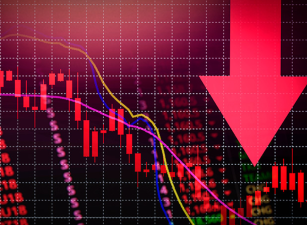
How International Financial Crisis Early Warning Mechanisms Work
International financial crisis early warning mechanisms typically include the following key components:
Data Collection and Analysis:
The early warning system needs to collect a large amount of financial market data, including interest rates, exchange rates, stock prices, and credit levels. This data can be obtained through various channels, such as financial institutions, government departments, and international organizations. After collecting the data, the early warning system analyzes it to identify potential crises.
Early Warning Models and Algorithms:
Early warning systems typically use complex mathematical models and algorithms to analyze data and predict potential future crises. These models may be based on historical data, statistical patterns, and economic theories. Through continuous learning and optimization, the accuracy and reliability of the early warning system will gradually improve.
Transmission and Dissemination of Early Warning Information:
When the early warning system identifies a potential crisis, it will promptly transmit the warning information to relevant institutions and the public. This information may include the nature, scale, and potential impact of the crisis. By promptly transmitting and disseminating early warning information, relevant institutions and the public can take appropriate measures to address the crisis.
Conclusion
The longer the supply chain and the larger the capital scale, the more risk exposure points there are, and the faster and more destructive the risk transmission.In financial markets, preventing crises is more important than dealing with them after they occur. By establishing sound early warning mechanisms and taking effective countermeasures, we can better protect the stability and development of financial markets and provide strong support for sustained economic growth.